Osteoarthritis
Also called: Osteoarthrosis · Gonarthrosis (knee) · Coxarthrosis (hip)
The cartilage in a joint wearing down over time: pain on movement, grinding and stiffness.
What is Osteoarthritis?
Osteoarthritis is the cartilage inside a joint thinning and wearing away over the years. Cartilage is the cushion that keeps the bone ends from touching; as it thins, the bones rub and movement starts to hurt.
It most often affects the knee (gonarthrosis), the hip (coxarthrosis), the finger joints and the joints of the spine. Age, excess weight, long-standing load on the joint and old injuries all play a part. The process does not reverse on its own, but its pace can be slowed through weight, how the joint is used and what supports it.
What the signs are
- Pain when movement starts, and stiffness after sitting still.
- A dry grinding or clicking in the knee or hip.
- Going down stairs, squatting or walking any distance becomes hard.
- Pain that worsens when the weather turns.
- Swelling around the joint and a narrowing range of movement.
When not to wait
- The joint is red or hot, or you are running a temperature.
- The pain is strong enough to wake you at night.
- The joint locks, or you cannot put weight on the leg.
How the clinic approaches it
It starts with a consultation and an examination: where it hurts, when it began, what load makes it worse. Any X-ray or MRI report you already have is read too.
A natural treatment plan follows: herbal remedies, diet and advice on movement. The remedy is chosen for the person — two patients with the same diagnosis are not necessarily given the same thing.
Where it fits, P-DTR therapy is added: it aims at easing pain without drugs or injections and at restoring movement.
Related services
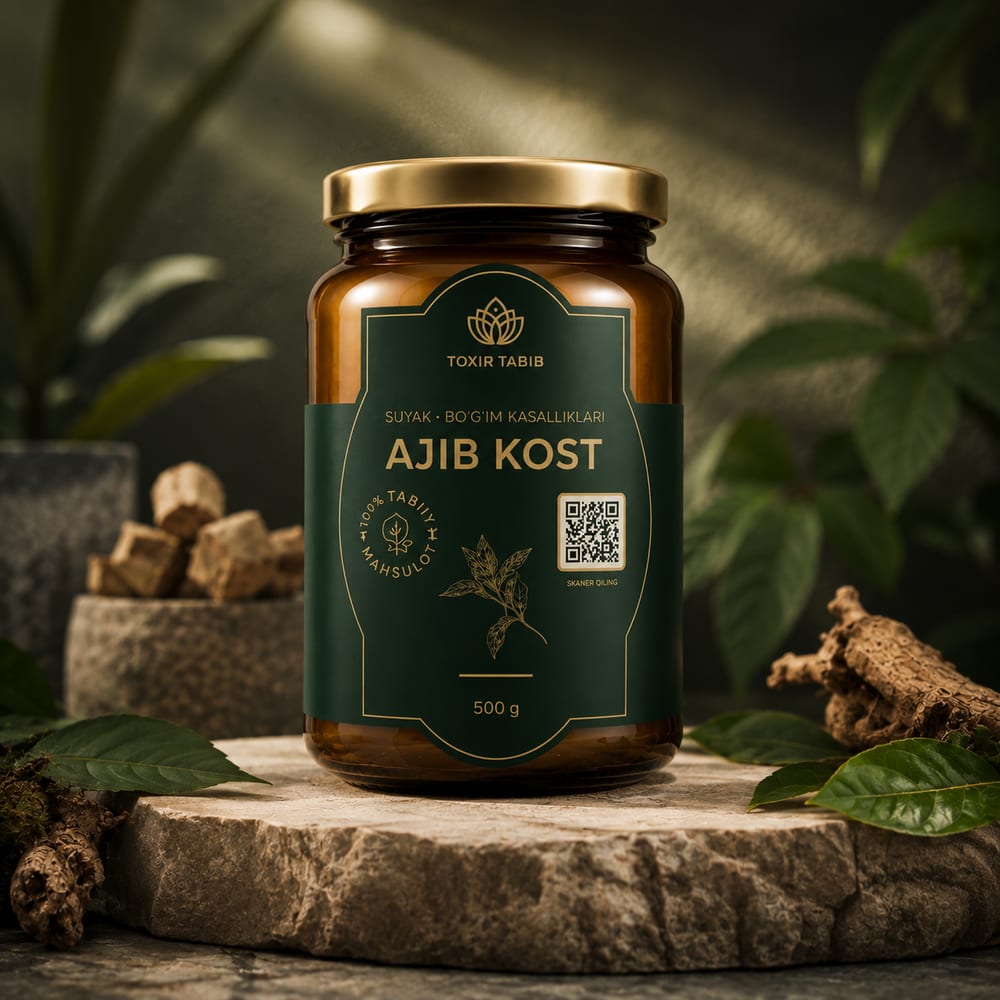
What the clinic uses in this area
This is not a prescription: which remedy suits you is something the specialist says after examining you.
Specialists in this area
Common questions
Can osteoarthritis be cured completely?
Cartilage that has worn away does not come back. The aim is less pain, movement kept, and the process slowed. Be careful with anyone who promises a complete cure.
How long does treatment take?
Herbal remedies are not a one-off — they are usually taken as a course over several months. The specialist gives the actual length after examining you.
Do I need surgery?
That is an orthopaedic surgeon's call. This clinic works conservatively, with natural methods; if surgery is indicated, we say so.
This text has not yet been approved by a clinic specialist.
The information on this page is general background and does not replace a doctor's examination and diagnosis. Treating yourself is risky - if you notice these signs, see a specialist.
Have a specialist look at it?
Book an appointment and a specialist will examine you and set out a plan that fits.