Arthritis and polyarthritis
Also called: Joint inflammation · Polyarthritis
Inflammation in a joint: swelling, redness and long-lasting morning stiffness.
What is Arthritis and polyarthritis?
Arthritis is inflammation in a joint. It differs from osteoarthritis: there the cartilage wears away gradually, while here there is active inflammation inside the joint — hence the swelling, the heat and the redness.
When several joints are affected at once it is called polyarthritis. The causes vary: infection, a disordered immune system, problems with metabolism. With arthritis, then, finding the cause comes before treating it.
What the signs are
- The joint swells, feels hot and looks red.
- Stiffness in the morning that takes a long time to ease.
- Pain in several joints at once (polyarthritis).
- General weakness and a raised temperature.
- The fingers changing shape and difficulty closing the hand into a fist.
When not to wait
- One joint has suddenly swollen badly and turned hot — that can be an infection.
- Joint pain comes together with a fever.
- The joint has begun to change shape — do not put it off.
How the clinic approaches it
The clinic starts by working out what is driving the inflammation and which joints are involved. Bring any test results or reports you have — they are taken into account when the plan is drawn up.
In this clinic's practice, inflamed joints are often looked at together with the state of the digestive organs, so a plan may address more than the joint itself.
The specialist chooses the herbal remedies and the diet; traditional methods — hijama, leech therapy — are added where they are indicated.
Related services
What the clinic uses in this area
This is not a prescription: which remedy suits you is something the specialist says after examining you.
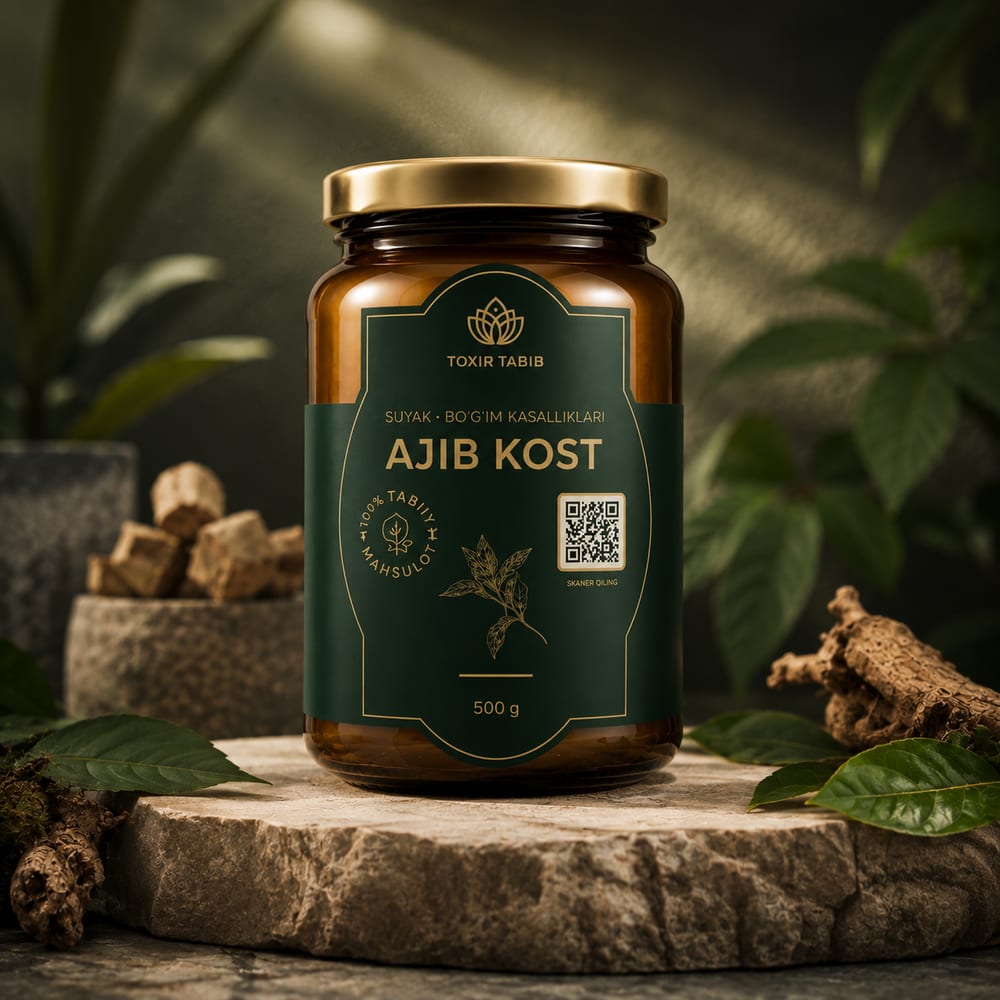
Specialists in this area
Common questions
What is the difference between arthritis and osteoarthritis?
In osteoarthritis the cartilage wears away over years; in arthritis there is active inflammation in the joint. Arthritis brings more swelling, heat and morning stiffness. One person can have both.
Do herbal remedies bring inflammation down?
The clinic gives remedies as support while the joint is inflamed and to improve general condition. But acute inflammation — especially if infection is suspected — needs a doctor's examination first.
What should I bring to the appointment?
Blood tests, X-ray or MRI reports, and a list of the medicines you are taking now. With those, the conversation is far more precise.
This text has not yet been approved by a clinic specialist.
The information on this page is general background and does not replace a doctor's examination and diagnosis. Treating yourself is risky - if you notice these signs, see a specialist.
Have a specialist look at it?
Book an appointment and a specialist will examine you and set out a plan that fits.